Black Friday email marketing: the Shopify playbook (start 90+ days out)
July 31, 2026
Most stores treat Black Friday email as a November job. They write the campaigns the week before, hit send to the whole list, and hope. The stores that actually win Q4 started in Q3, and email is the reason their revenue compounds while everyone else pays for ads.
Here is the playbook, in the order you should tackle it, starting now.
Why Black Friday email starts now, not in November
Email is the one channel you own. No auction, no rising CPMs, no algorithm deciding who sees you. On Black Friday that ownership is worth more than ever, because paid traffic is at its most expensive exactly when you need it most.
But the payoff depends on work that takes weeks to pay off: cleaning your list, warming your sending, and getting your automations live. Start in November and you are firefighting. Start now and Black Friday runs itself.
Foundation first: list health and deliverability
Before a single campaign, fix what decides whether your emails even land. A list full of people who have not opened in six months drags down your sender reputation, and a bad reputation means your Black Friday sale lands in spam.
Suppress subscribers who have not engaged in the last six months or so. It feels backwards to email fewer people right before your biggest sale, but it is the opposite. Active subscribers beat list size, every time. A smaller, engaged list gets to the inbox. A bloated one gets filtered.
The flows that must be live before Black Friday
Campaigns get the attention, but automated flows quietly capture the revenue you would otherwise lose. Three need to be running before the peak:
Welcome flow. Black Friday brings a wave of first-time subscribers. A welcome sequence turns that spike into a relationship instead of a one-time discount.
Abandoned cart. Cart abandonment climbs during a sale because shoppers are comparing everywhere. A three-email recovery sequence brings a meaningful share of them back.
Post-purchase. The buyer you win on Black Friday is your cheapest path to a second sale. A post-purchase flow sets up repeat revenue while the rest of the market is still chasing new customers.
The BFCM campaign calendar
Your campaigns should tell a story across the week, not shout the same discount five times. A calendar that works:
- Teaser. A week out, warm the list and build anticipation.
- Early access. Reward your best subscribers with a head start. This drives your highest-intent sales first.
- Black Friday. The main event, sent to your engaged segments.
- Cyber Monday. A second peak with a distinct offer, not a copy-paste.
- Last chance. A final, honest deadline. This closes the fence-sitters.
Segmentation: a message per group
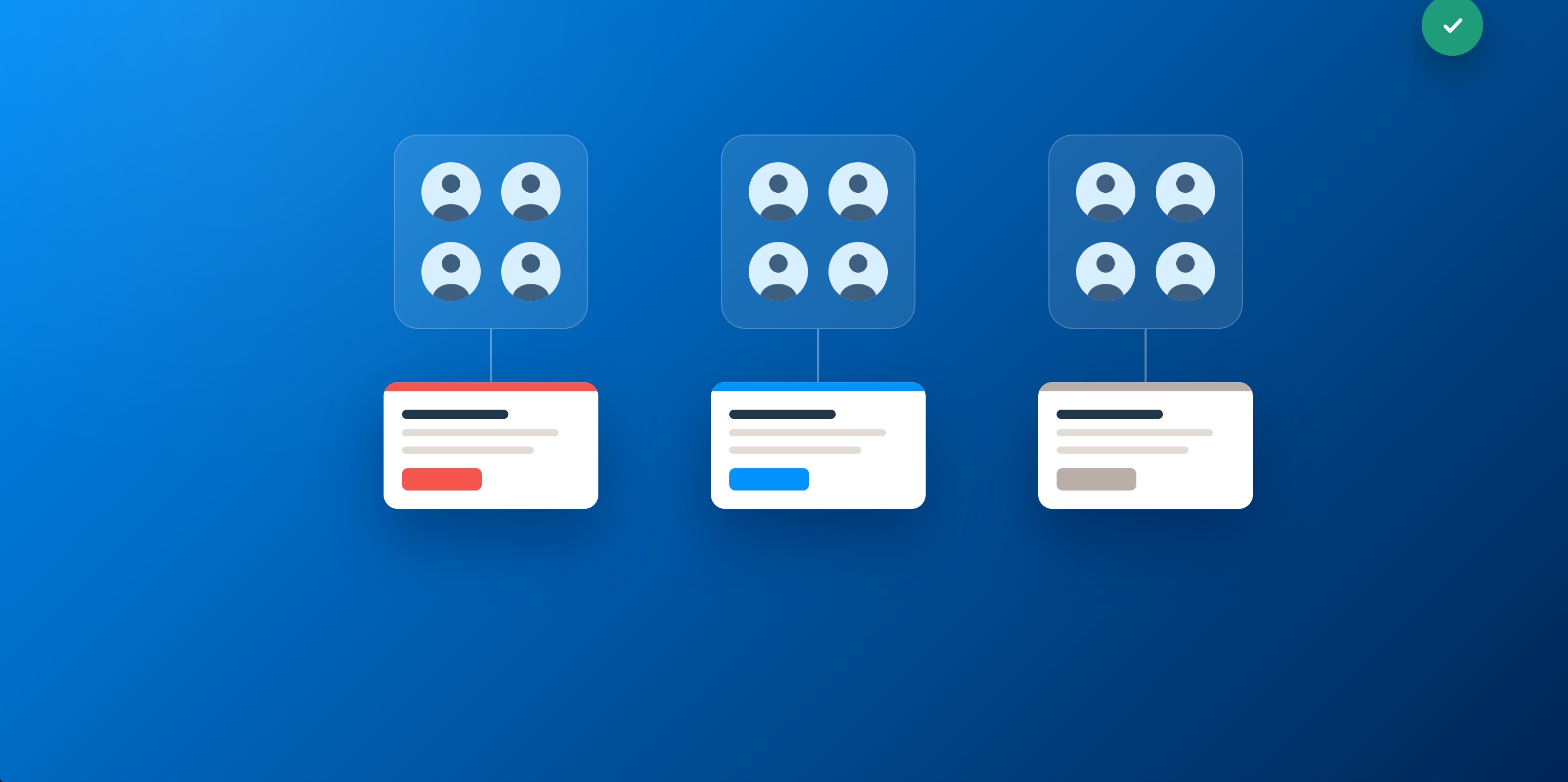
One email to everyone leaves money on the table. Split the list and match the message: VIPs get early access and a thank-you, engaged buyers get the main push, and dormant subscribers get a lighter win-back rather than the full-volume blast that would hurt deliverability.
Measure revenue, not list size
At the end of the weekend, the number that matters is revenue per email, not how many contacts you have. Track which flows and which campaigns actually drove sales, and you will know what to double down on next year.
Build it now
Black Friday rewards preparation, not scramble. Clean the list, get the three core flows live, and map the campaign calendar while there is still time to test.
Start a 15-day SmartrMail trial and build your Black Friday flows now, so the peak runs on a system instead of a scramble. See also our guide to 7 automated email flows every Shopify store should have and the 90-day BFCM email checklist.